About






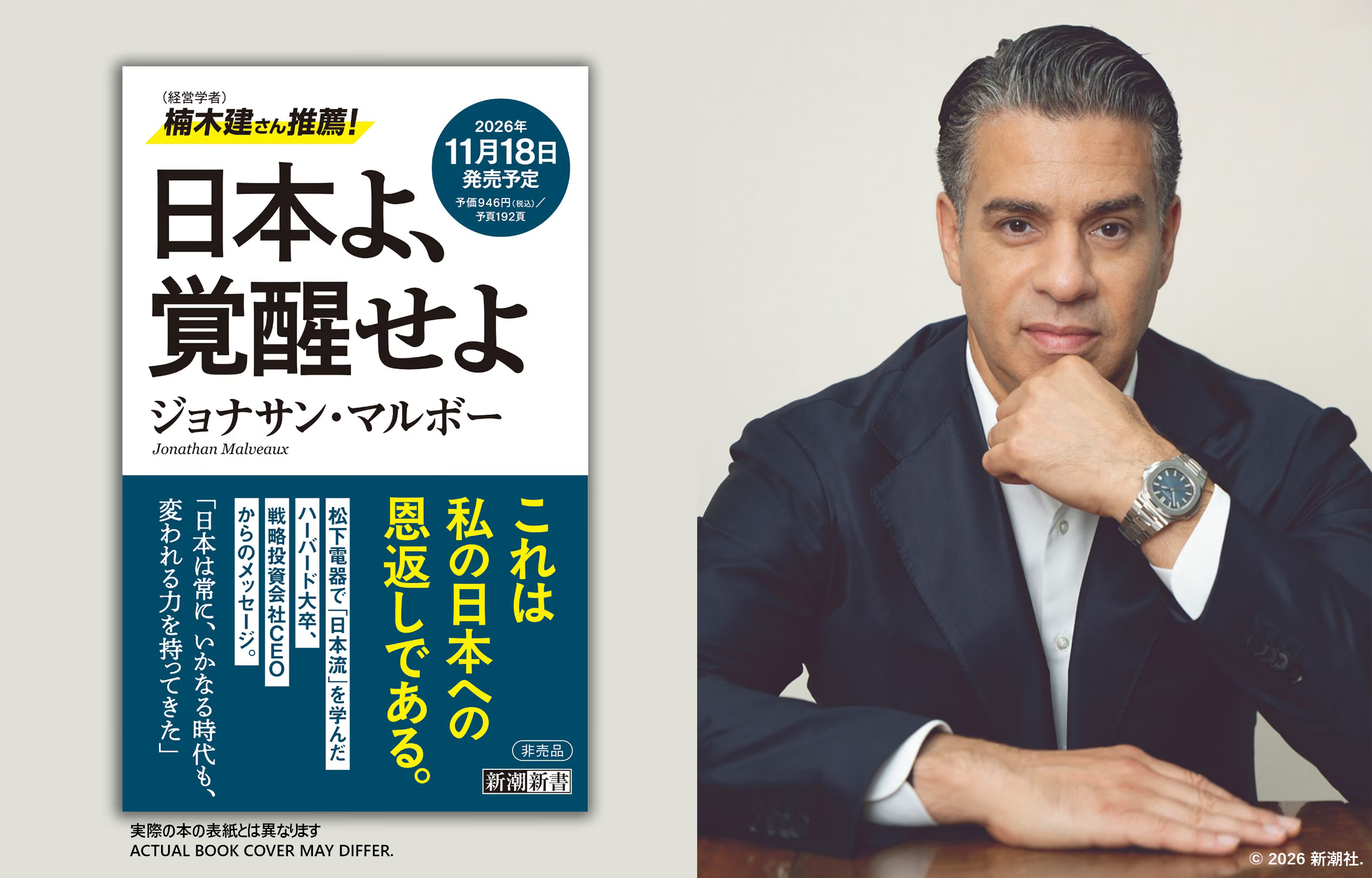
Japan, Awaken!
November 18, 2026
Overview
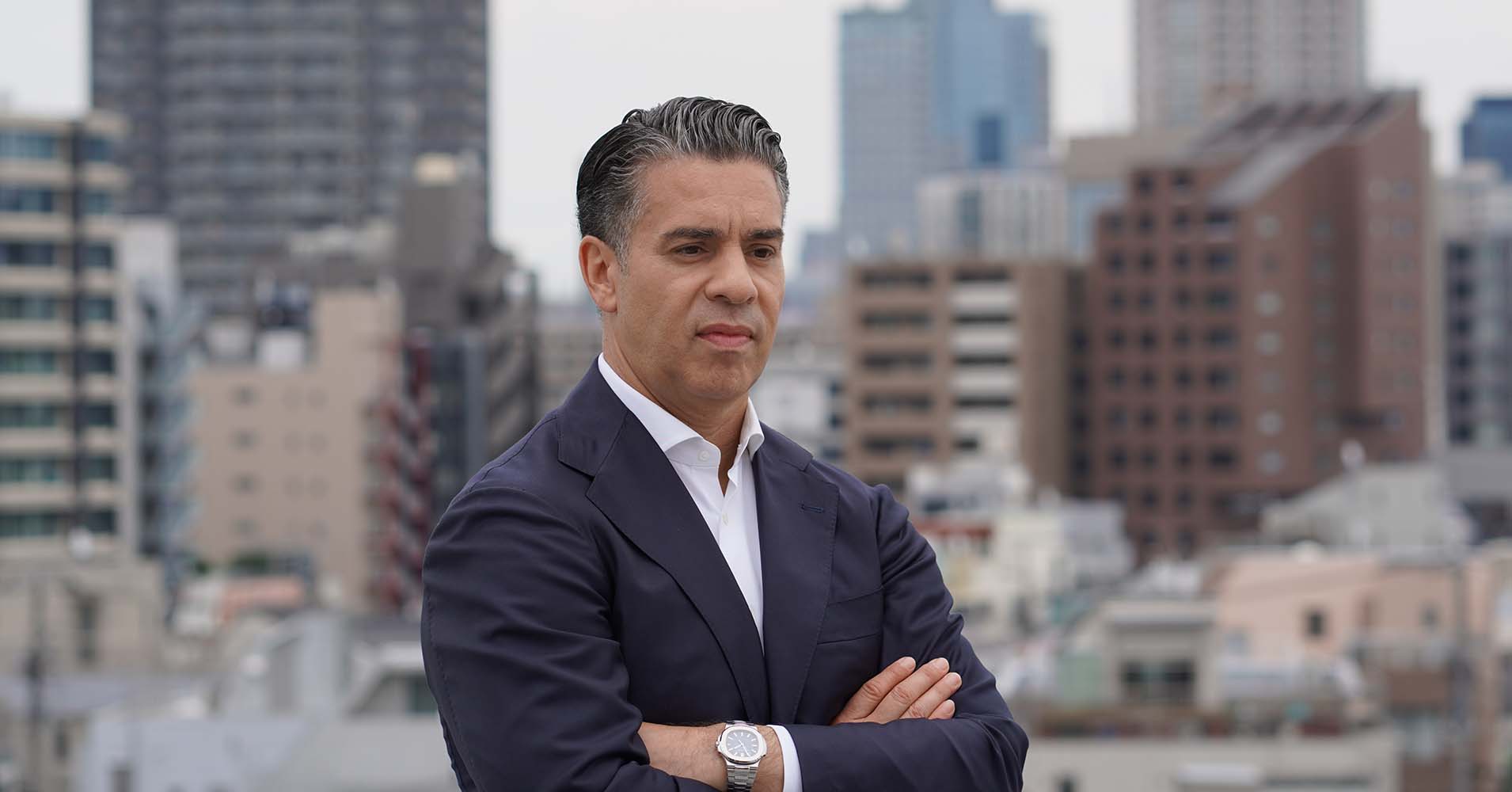
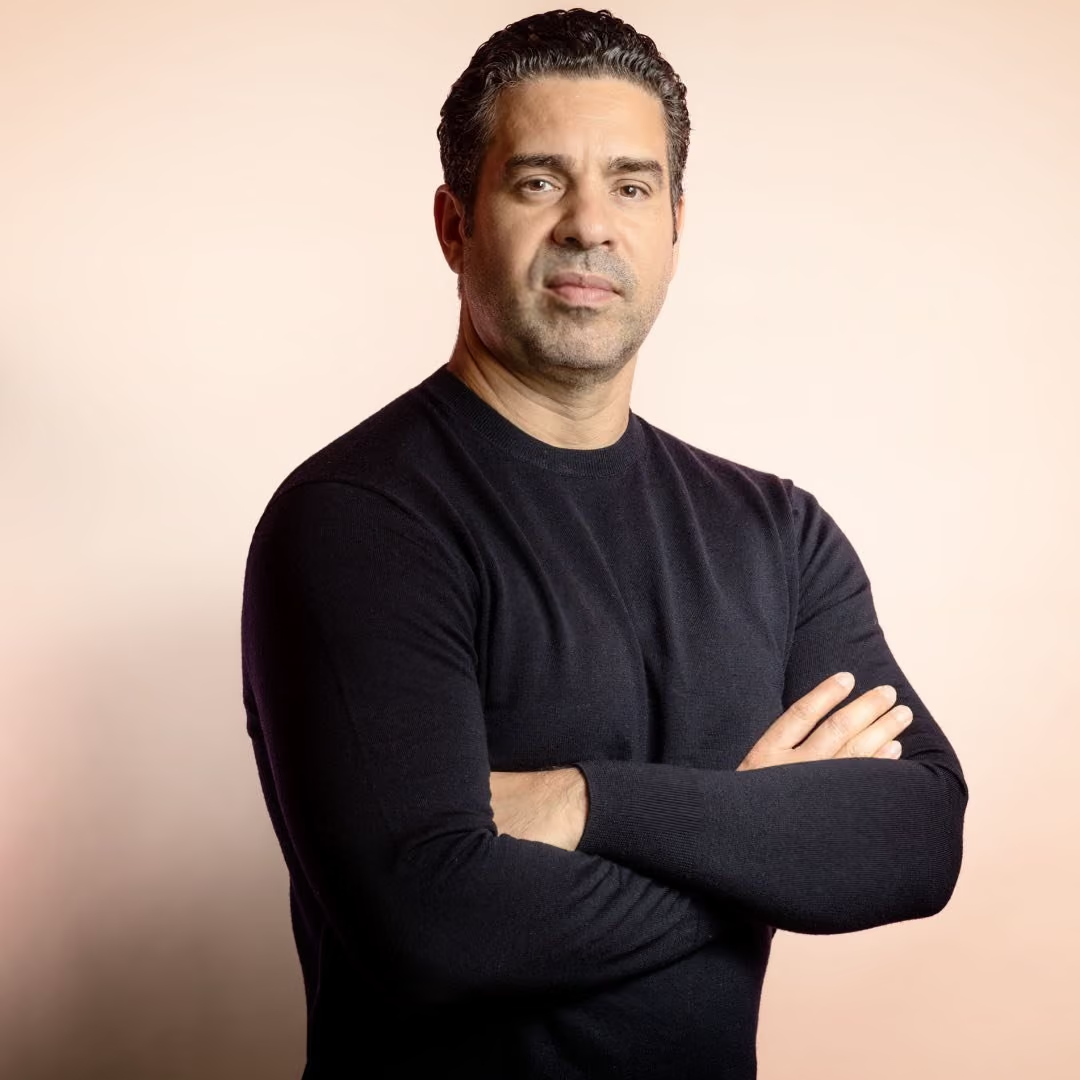
Jonathan Malveaux is the founder and CEO of Grand Alliance, a strategic investment and advisory firm operating between New York and Tokyo. Across a thirty-year career in law, finance, entrepreneurship, and media, he has sourced, structured, or negotiated more than $100 billion in transactions across global markets, including the United States, Asia, and Europe.
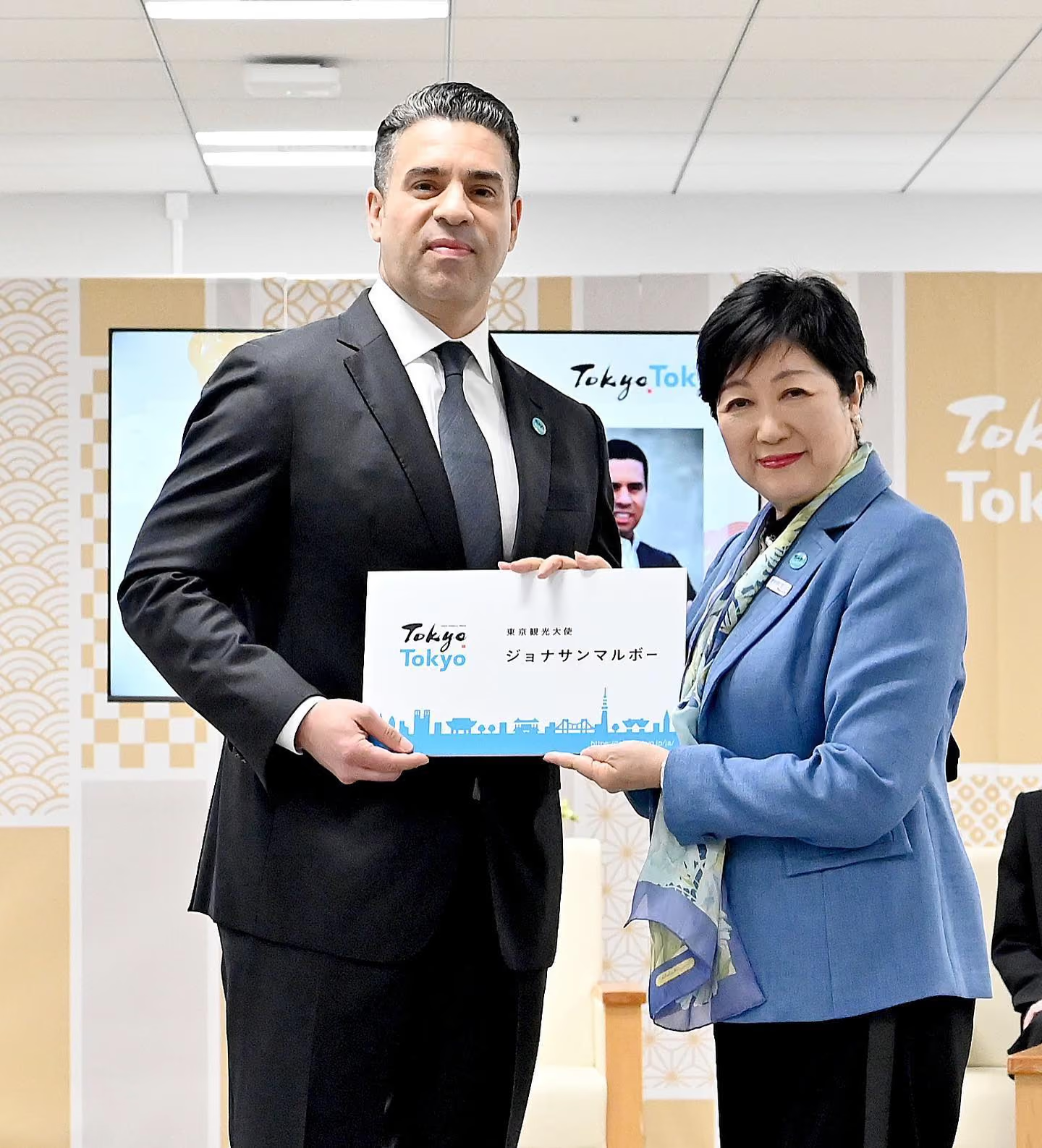
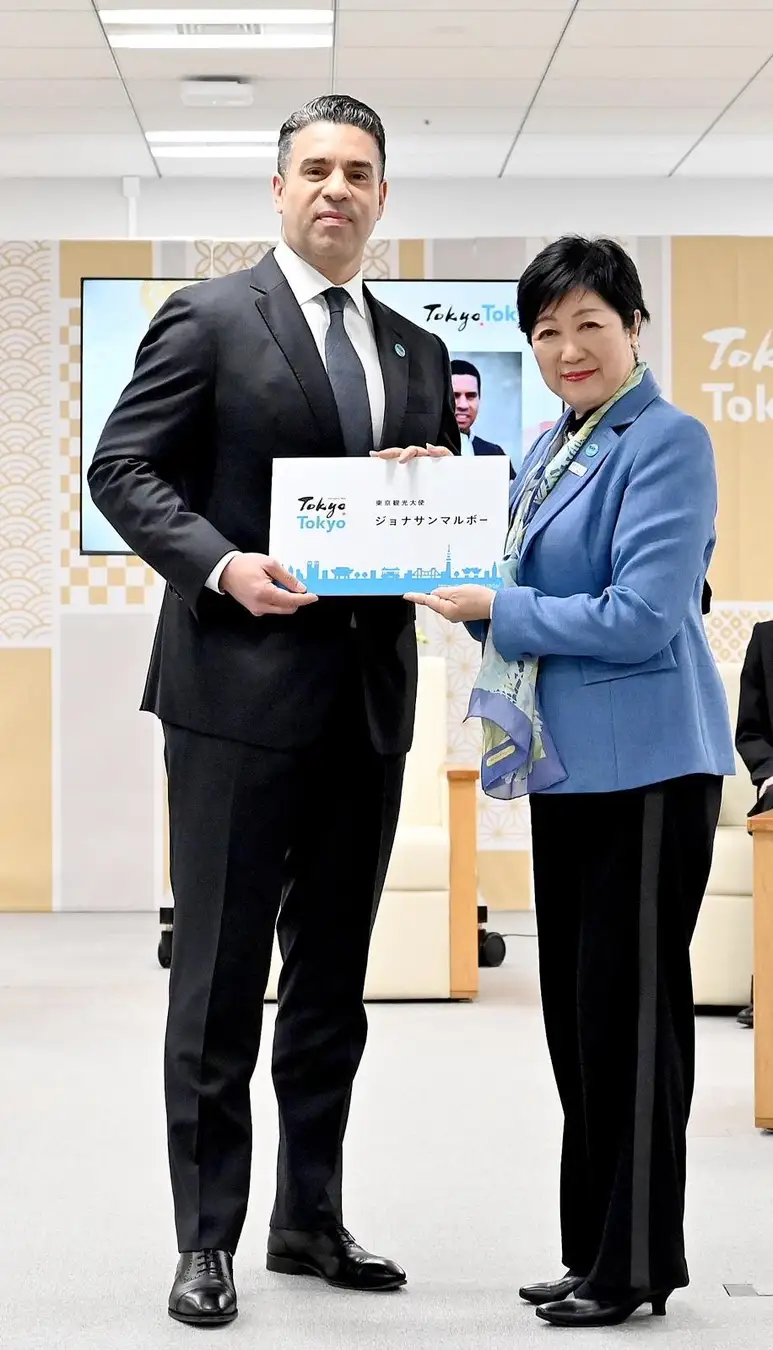
He serves as Ambassador to the Tokyo Metropolitan Government, appointed by Governor Yuriko Koike. Born and raised in the South Bronx and educated at Harvard (undergrad) and Columbia (law and business), he has spent more than three decades working inside both American and Japanese institutions.
His perspective comes not from observation alone, but from operating within the systems he now writes and speaks about.
Origins
Jonathan was born and raised in the South Bronx, where adversity was part of daily life and ambition required discipline.
Most of the rooms he would later enter — a Harvard lecture hall, a Wall Street trading floor, a Japanese boardroom, the governor's office in Tokyo — were far removed from where he began.
That distance shaped him. It taught him to enter unfamiliar environments, understand the rules people rarely state aloud, and build credibility without assuming that it would be given.
Education and the First Turn
Jonathan grew up loving sports and pursued baseball seriously until an ulnar nerve injury to his pitching arm ended that path.
His family had always emphasized that education was the one thing no one could take away. The injury made that principle immediate. A future in sports was no longer available, but the discipline, focus, sacrifice, and competitive intensity that sports had developed remained.
He earned an A.B. in Government from Harvard University and later completed both a J.D. at Columbia Law School and an M.B.A. at Columbia Business School. He chose law and business together because he was never interested in understanding only one side of how institutions and transactions work.

Japan
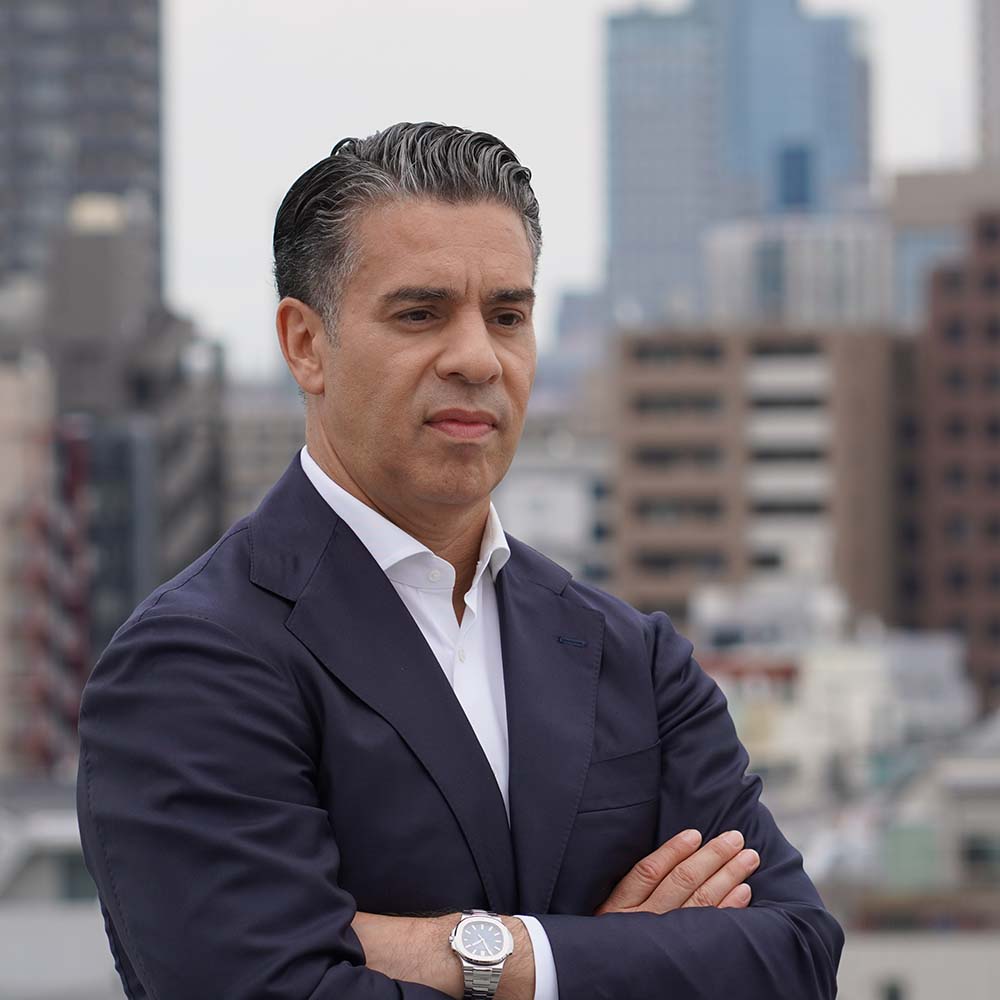
Japan was not a detour. It became a second home.
Jonathan first worked in Tokyo in 1993 at Oshima & Partners. In 1996, he joined Panasonic's Intellectual Property Center in Osaka, where he worked on patent licensing matters involving overseas companies and learned how a major Japanese institution operated from within.
More than thirty years later, he works professionally in both English and Japanese and has built trusted relationships across Japan's business, government, cultural, sports entertainment, media, and culinary worlds.
Law and Finance
Jonathan trained in corporate law at Latham & Watkins in New York, working in the Leveraged Finance Group on complex transactions and cross-border structures.
He then built an investment-banking career in Leveraged Finance and Special Situations at Lehman Brothers, Credit Suisse, and Deutsche Bank. He worked inside the transactions, the risk, and the machinery of global capital.
Across his legal, banking, and advisory career, he has been at the center of transactions with an aggregate value exceeding $100 billion. At Credit Suisse, he led the firm's leveraged finance team on CVRD's proposed acquisition of Xstrata — a transaction that, at roughly $90 billion, would have ranked among the largest in history before it collapsed amid the falling price of steel.
This is where abstract questions about systems, incentives, leverage, and institutional behavior became concrete.
Entrepreneur
Jonathan eventually moved from advising other people's businesses to building his own.
In 2008, he co-founded Ares Group, a sports and entertainment agency whose first client was Dwyane Wade. He later founded DESAVO during COVID to address the dearth of high-quality masks available to the general public, and has since positioned it as a premium body-care and daily-essentials brand.
He serves as President of ALTO USA, which specializes in non-glare LED lighting designed around visual comfort and health.
Grand Alliance, his strategic investment and advisory firm, now sits at the center of that work, connecting New York and Tokyo across finance, technology, media, sports, culture, and cross-border business.
His story includes successful ventures, but also risk, pivots, setbacks, and rebuilding. Jonathan's perspective comes from having responsibility for outcomes — not only from advising at a distance.
The US and Japan
The US and Japan are not branding devices. They are the two places that shaped Jonathan's life and work.
New York gave him the South Bronx, Harvard and Columbia, Wall Street, entrepreneurship, media, culture, and the expectation that ambition must be proved.
Tokyo and Osaka gave him a second professional language, experience inside Japanese institutions, long-term relationships, public responsibility, and access that can only be earned over time.
He has built a career by moving between the two — not as a visitor to either world, but as an operator expected to understand both.
Trust and Standing
In Japan, trust is earned over time.
Jonathan serves as Ambassador to the Tokyo Metropolitan Government, appointed by Governor Yuriko Koike. The appointment reflects a relationship with Tokyo built across decades and trust developed through business, culture, media, and public life.
His first book is being published by Shinchosha, one of Japan's leading publishing houses.
These relationships do not make his perspective beyond question. They establish that it has been formed through long experience, accountability, and sustained engagement inside Japan.
Writing and Public Work
On March 3, 2025, the Nikkei published Jonathan's essay, “It’s Time For Japan To Wake Up” (日本人は今こそ目覚めるべきだ), which argued that Japan's stagnation cannot be explained by demographics or national character alone.
Incentives, institutions, concentrated risk, and delayed decision-making, he wrote, better explain why necessary adaptation is repeatedly postponed.
That argument became one of the foundations of his first book, “Japan, Awaken!” (日本よ、覚醒せよ), published by Shinchosha.
Current Work
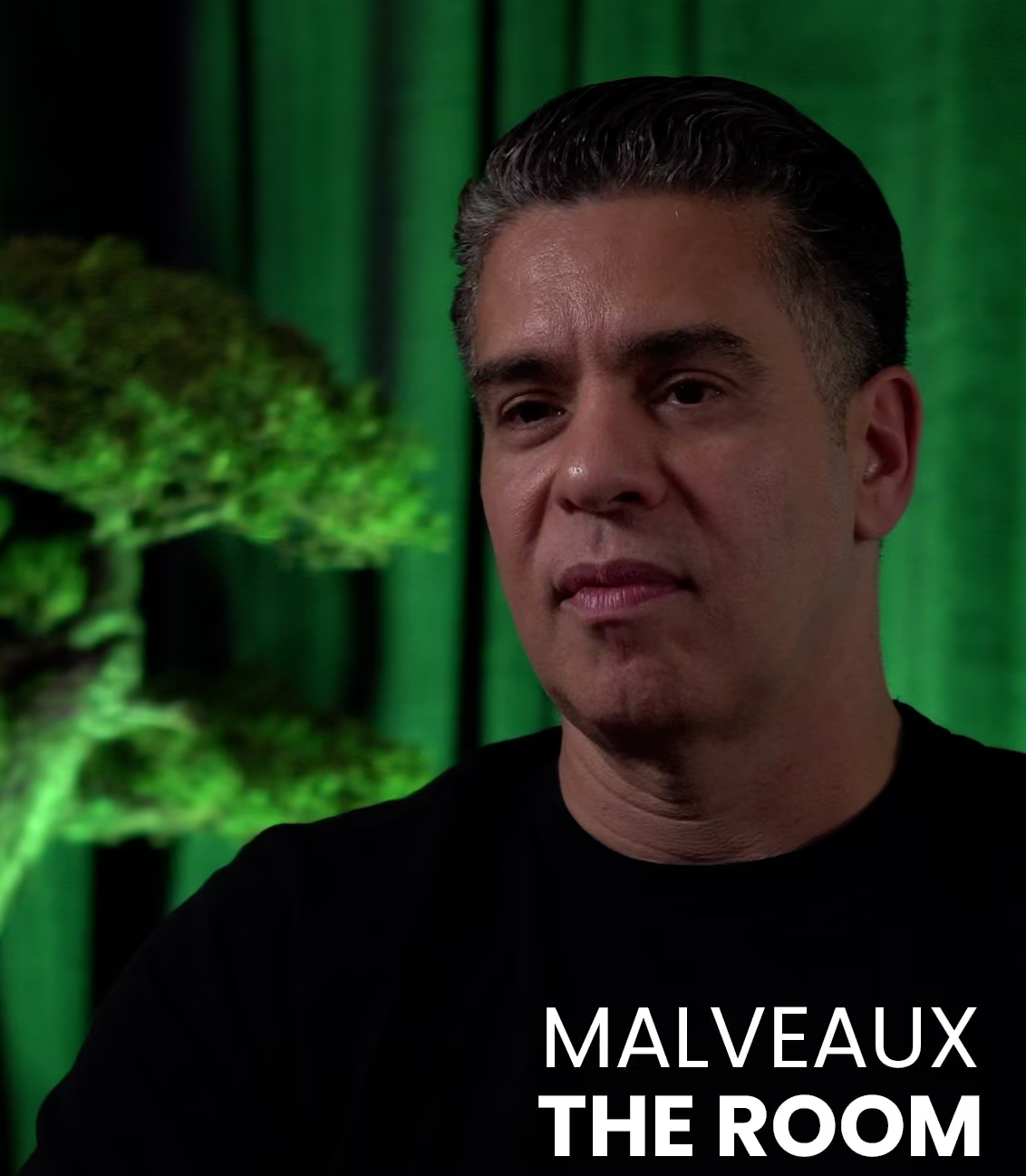
The book, Japan Awaken!, the show Malveaux: The Room, and Jonathan’s advisory work are not separate careers.
Each draws on the same experience: operating across institutions, industries, markets, and cultures, then turning that experience into judgment.
The book develops an argument. The Room explores how accomplished people think, build, adapt, and recover. The advisory work applies that perspective to consequential decisions.



Jonathan advises companies and investors navigating high-stakes decisions between the United States and Japan, with a focus on structural risk, cross-border negotiation, and market entry. This work is executed through Grand Alliance, his strategic investment and advisory firm.
He speaks on leadership, institutions and incentives, U.S.–Japan relations, entrepreneurship, and building across cultures.